European Regional Network CEO Retreat: Five key insights
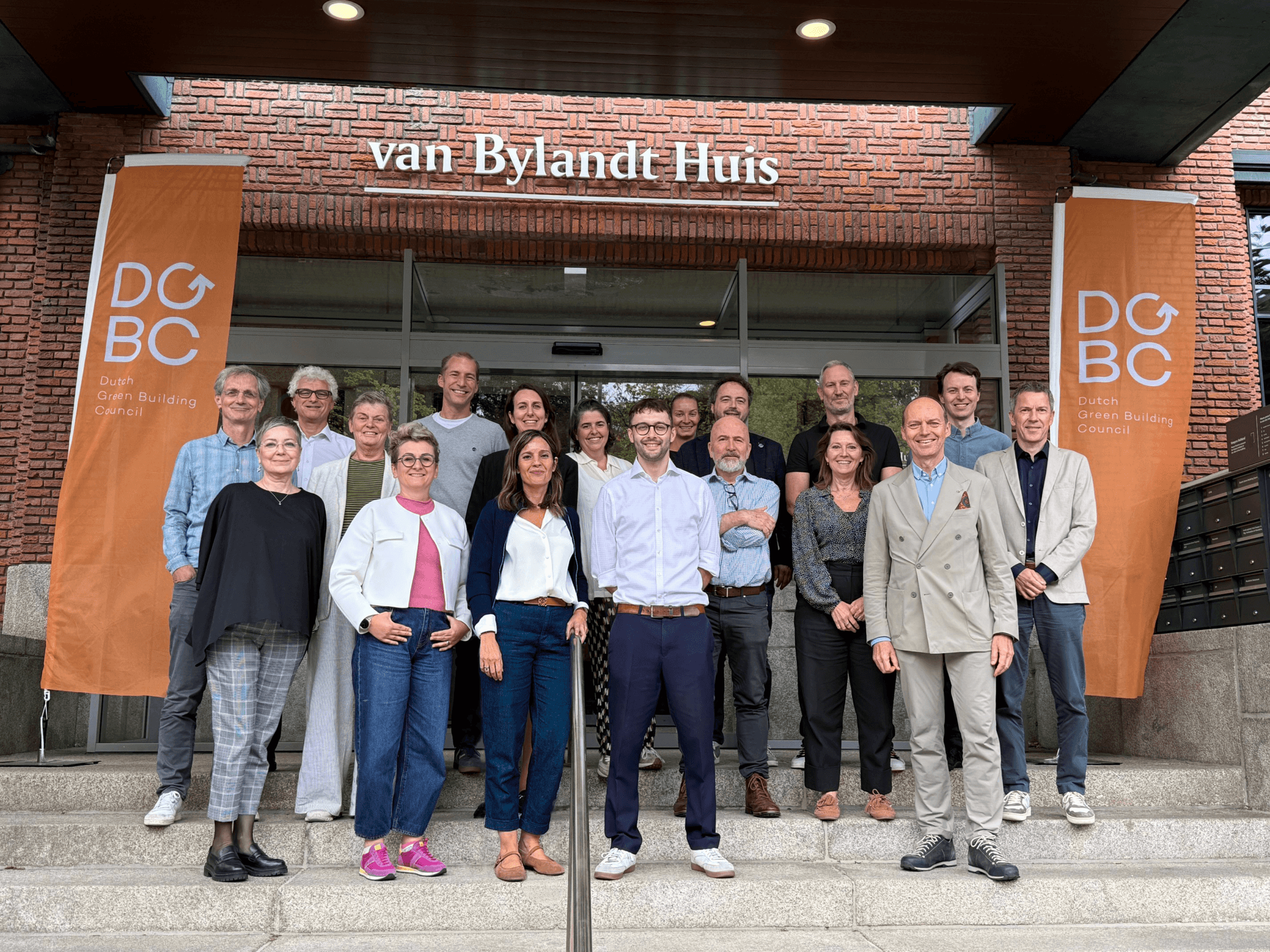
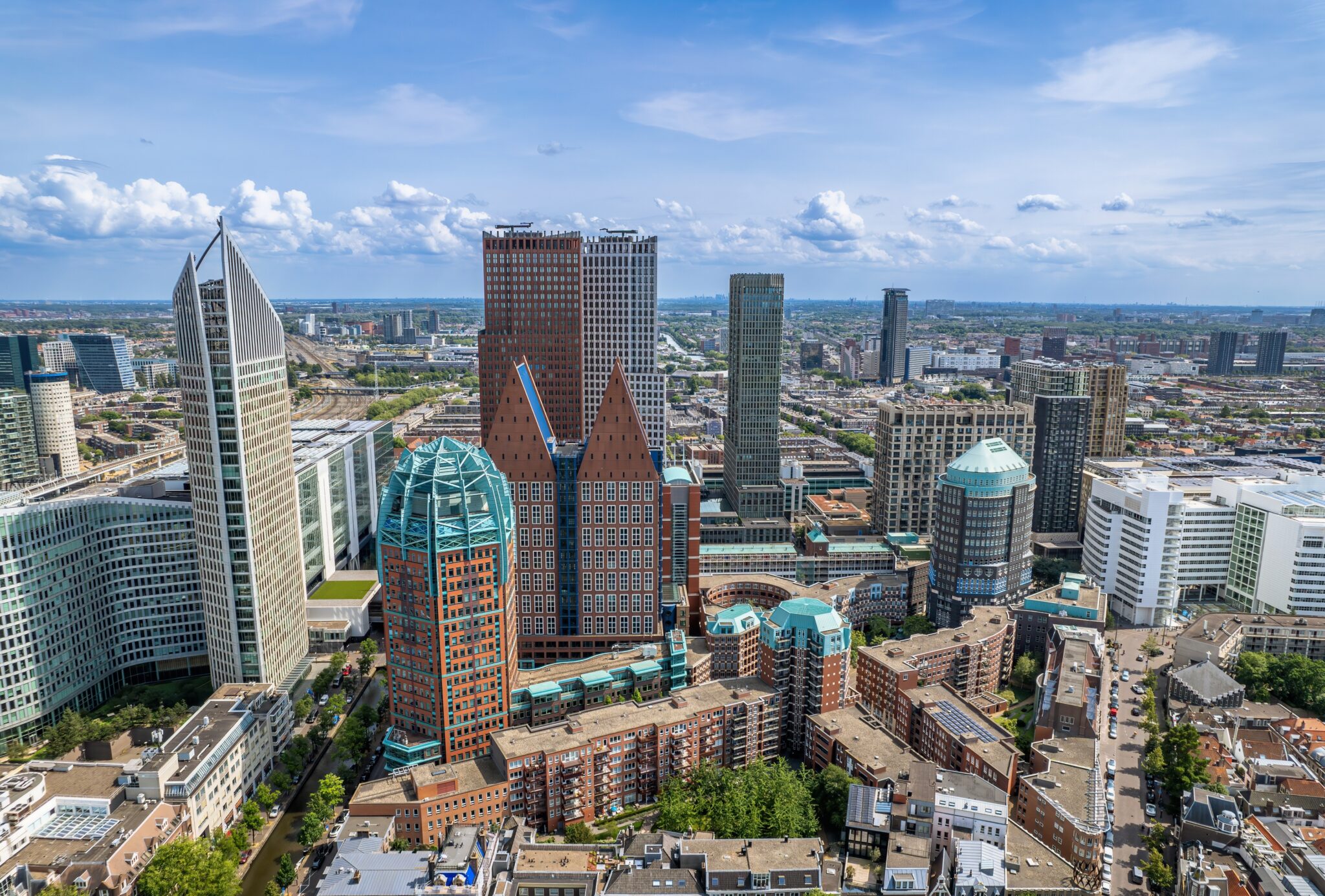
From affordable housing and large-scale renovation to skills development and circular construction, Europe faces a complex set of interconnected challenges that call for coordinated action. The European Regional Network (ERN) CEO Retreat, hosted by the Dutch Green Building Council in The Hague, provided a platform for exploring these shared challenges and identifying opportunities for collective action.
Omdat de bijeenkomst internationaal van aard was, is ervoor gekozen onderstaand artikel in het Engels te publiceren.
While each country brings its own perspective and priorities, the discussions during the Retreat highlighted the strength of the European network and a shared commitment to accelerating the transition to a sustainable built environment through collaboration, alignment and a common European vision.
1. One network, one shared ambition
While national priorities may differ, many of the underlying challenges are shared across Europe. The European Regional Network (ERN) provides a platform for exchanging knowledge, aligning common priorities and translating lessons learned into practical solutions for others, creating greater impact at both national and European level.
“The value of the Europe Regional Network lies in collaboration,” said Gilles Vanvolsem, Managing Director of theBelgian Green Building Council. “Exchanging experiences and challenges helps us learn from one another and move faster as a network. Aligning the most pressing themes helps strengthen our collective impact across Europe.”
The value of the Europe Regional Network lies in collaboration.
That collective purpose is becoming increasingly important as Europe addresses interconnected challenges around housing, climate resilience, energy security and affordability. Stronger European cooperation can help countries navigate these issues while encouraging greater consistency across markets. As Vanvolsem puts it: “Different countries, different challenges, but we are all on the same team.”
2. Turning policy into practice
A second key insight from the Retreat was the need to move from ambition to implementation. Renovation, electrification and renewable energy are increasingly seen as strategic priorities across Europe. These measures can reduce emissions, improve comfort and strengthen Europe’s energy independence, but effective implementation requires policy, financing and market delivery to work together.
According to Miles Rowland, Europe Policy Manager at theWorld Green Building Council, Green Building Councils have an important role to play in helping the market understand and implement new legislation. “A more coordinated European approach will help align efforts, create greater market certainty and increase impact,” he said.
A more coordinated European approach will help align efforts, create greater market certainty and increase impact.
Rowland highlighted the importance of practical guidance and concrete examples to support the implementation of the Energy Performance of Buildings Directive (EPBD). By translating complex legislation into clear actions, Green Building Councils can help bridge the gap between policy and practice.
Public procurement was also identified as a powerful lever for change. Through their purchasing decisions, governments can help accelerate demand for sustainable buildings, renovation and circular solutions.
3. Building a shared agenda on circularity
Circularity emerged as another area where greater European alignment could create significant value.
Participants discussed how Green Building Councils can help translate emerging circular construction legislation into practical guidance, comparable methodologies and market-ready solutions. At the same time, implementation needs to reflect national circumstances and local market conditions.
“There is a growing need for a harmonized approach,” said Gilles Vanvolsem. “Greater alignment in frameworks, definitions and ambitions will support consistency and accelerate progress across markets.”
For Simona Kalvoda, Executive Director and CEO of theCzech Green Building Council, the strength of the network lies precisely in bringing these different national perspectives together. “Around twenty-four countries bring twenty-four different perspectives, creating synergies, sharing solutions and strengthening collective policy work,” she said.
Around twenty-four countries bring twenty-four different perspectives, creating synergies, sharing solutions and strengthening collective policy work.
4. A people-powered transition
While much of the discussion focused on policy and regulation, participants repeatedly returned to one crucial point: the transition is ultimately about people.
Across Europe, the construction sector is struggling with labour shortages while demand for green and digital skills continues to grow. Delivering a sustainable built environment will require new skills, stronger training pathways and a workforce that reflects the diversity of society.
Kalvoda stressed that this challenge is shared across the continent. “Across Europe, the construction sector faces difficulties in attracting and retaining skilled workers, even though they are fundamental to delivering the transition towards a sustainable built environment. These are challenges we face together.”
The conversation also explored the need to broaden the sustainability movement beyond its traditional technical foundations.
“Sustainability has traditionally been driven by technical and engineering perspectives,” said Dr. Jozsef Kolossa of theHungary Green Building Council. “To accelerate the transition, the underlying DNA of the system must evolve. This includes not only technology, but also financing structures, business models and decision-making processes.”
To accelerate the transition, the underlying DNA of the system must evolve. This includes not only technology, but also financing structures, business models and decision-making processes.
5. Strengthening the network
Beyond the individual topics, the Retreat raised a broader question: how can the European Regional Network increase its collective impact? Participants discussed the importance of a clearer shared vision, focused priorities and greater clarity around roles, responsibilities and resources. At the same time, the diversity of the network was seen as one of its greatest strengths.
As Antti Ruuska, CEO ofGreen Building Council Finland, observed: “The beauty of the European Regional Network lies in its diversity. Bringing together perspectives from countries allows us to benchmark different approaches, learn from each other and create synergies at multiple levels.”
The discussions in The Hague made one message clear: many of the challenges facing Europe’s built environment cross national borders. Addressing them requires countries and Green Building Councils to share knowledge, translate European ambitions into practical action and align where collective action can have the greatest impact.
The beauty of the European Regional Network lies in its diversity. Bringing together perspectives from countries allows us to benchmark different approaches, learn from each other and create synergies at multiple levels.